Emergency Preparedness Is Not Optional Anymore


I started writing this in September 2025. I should have published it then. The growing frequency of extreme weather has only made the message more urgent.
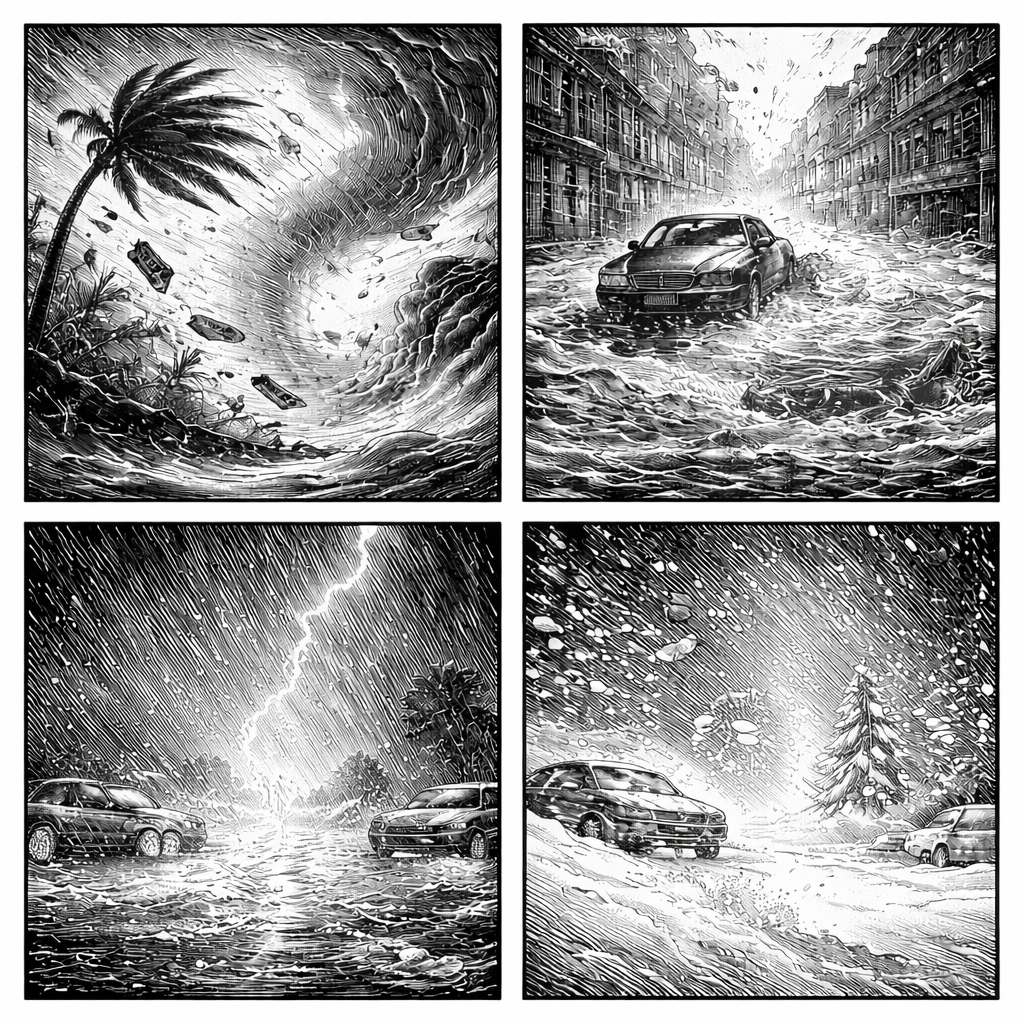
Last year’s storm season left many homes without power, water, or communication for days at a time. Roads were blocked, services were stretched thin, and some communities found themselves scrambling to cope.

The reality is that most of us weren’t prepared for how long recovery efforts would take. And with weather patterns becoming more unpredictable, this season is shaping up to be no different. A little preparation now can mean the difference between anxiety and confidence when the winds pick up or the rain won’t stop.

Why This Matters Right Now

While forecasting systems are valuable, the impact, timing, and severity of storms can outpace warnings. Even the best warning systems miss sudden changes. We’ve seen flooding in areas that weren’t historically flood-prone, power outages lasting longer than anyone expected, and communities cut off because access roads were too dangerous to travel.

And sometimes, there’s no warning at all. Heavy rainfall on already saturated ground can trigger flooding overnight. Strong winds can knock out power lines or damage infrastructure in minutes. These realities make storm readiness a skill every household should take seriously.

Why Storms Feel Harder to Predict

  1. Climate Change: More intense storms and unpredictable weather patterns mean traditional “storm seasons” are harder to define. Some events may not be predicted, and we have seen that warnings do not always go out on time. You need to be watchful. Check a reliable weather app and be aware of the state that soil in your area may be in – dry (very dry)? Perhaps that creates a harder surface for water to soak into and could lead to fast surface water movement.
  2. Infrastructure Limitations: Utility teams work hard, but restoration takes time, especially in rural areas or after widespread damage. Recovery may take longer than expected, delaying your return to normal life.
  3. Geography: Know your environment – tree cover, low-lying areas, and road access all play a role. Consider that you may need to get your household to higher ground depending on the weather event you are preparing for.
  4. Hidden Hazards: Recent rainfall or ground saturation means flooding risk isn’t always obvious.

The Cost of Being Unprepared

When a storm hits, it’s not just about losing power for a few hours. It’s about making sure your family has safe drinking water, warmth, food, and a way to communicate. Being unprepared adds stress in an already difficult time, while being ready brings peace of mind and even positions you to help neighbours.

Editable 72-Hour Checklist (Downloadable & Editable)

I’ve created a practical checklist based on lessons learned from last year’s storms — and from my own experience of seeing how quickly things can spiral. Once downloaded, this tool is:

  • Editable: Add or remove items specific to your family, pets, or home.
  • Comprehensive: Goes beyond food and water to include communication, travel readiness, and planning with housemates or renters.
  • Free: Download it, print it, and make it your own.

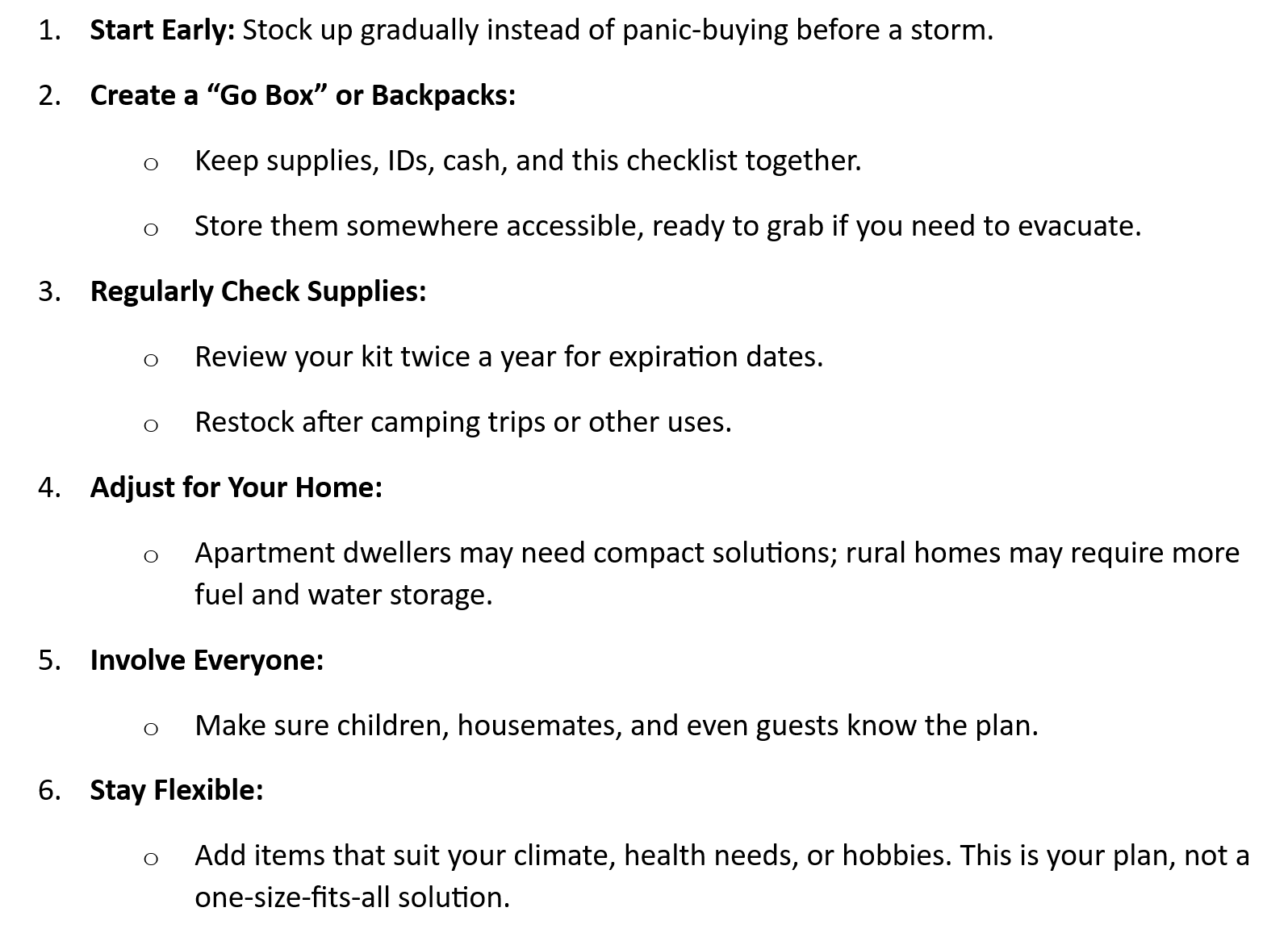
How to Build a Kit That Works for You
Be Ready for the Unexpected

Preparedness isn’t just about “storm season.” Sudden heavy rainfalls, extended winds, or flash floods can happen with little or no warning. Watch the weather, stay aware of ground conditions, and take action early.

Small steps today mean you’ll face whatever storms come next with confidence. Instead of scrambling, you’ll know exactly where your supplies are, how to reach loved ones, and how to ride out a few days off the grid safely.

Timing is Everything: Save with Smarter Energy Use


Looking to lower your electricity bill? It starts with understanding when and how you use electricity. By reviewing your energy usage, you can spot the times when you use the most power and which appliances consume the most. This information is key to cutting costs.

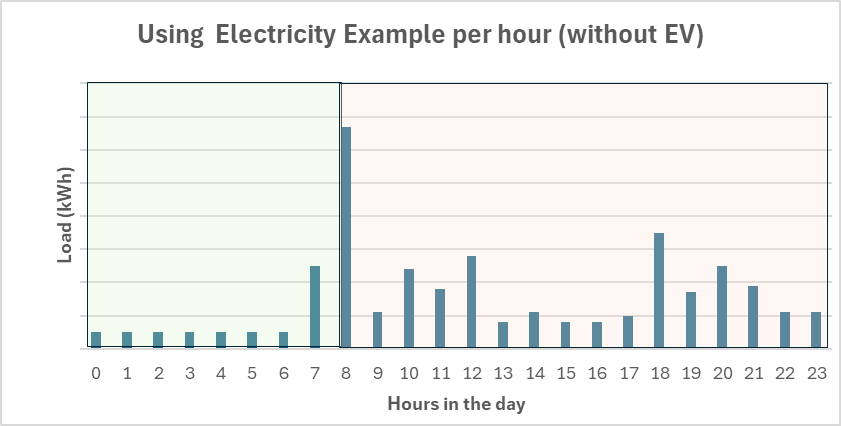
Below is an example that shows how much electricity a household uses each hour. The taller the bar, the more energy is used during that hour. You can see a spike around 8 AM, likely because people are getting ready for work or school. In contrast, early morning hours, when the household is asleep, show much lower energy use. This example might also reflect a home using efficient heating during winter, resulting in lower usage overnight.

Think of the electricity grid like a busy road. During rush hour, traffic slows down because everyone is on the road at the same time. The same thing happens with electricity—during peak hours (like afternoons and early evenings), lots of people are using power, which puts stress on the grid.

In the chart below, you’ll see the household’s energy use in two colors: green and orange. Green represents times when electricity is cheaper, while orange shows when it’s more expensive. As you can see, most of the electricity is being used during the orange (expensive) hours. If the household shifted some tasks, like running the washing machine, dryer, or dishwasher, to the green (cheaper) times, they could save money. Even small changes like this can make a big difference on their electricity bill.

Some utility companies offer plans that charge you based on when you use electricity. The rates vary depending on the time of day—electricity is cheaper during certain hours and more expensive during others. By understanding how these time-of-use tariffs work, you can adjust your habits and save money on your electric bill.

Variable electricity rates work like offering different prices to drive on the roads at different times of day. When more people use the roads at quieter times, traffic flows smoothly. Similarly, when more people use electricity during off-peak hours (when the grid is less busy), it helps utility companies avoid overloads and keep the system running smoothly.

By charging higher rates during peak hours, utility companies encourage people to shift their energy use to less busy times. This reduces strain on the grid and helps prevent blackouts or other issues during periods of high demand—like when everyone is cooking dinner or watching TV. During off-peak times, such as late at night when most people are asleep, electricity is cheaper because demand is lower.

This pricing system, known as Time-of-Use (TOU) tariffs, means that electricity costs vary throughout the day, giving you the opportunity to save money by using energy during cheaper, off-peak hours.

Let’s look at an example to show how time-of-use tariffs can impact your electricity bill. We’ll compare two scenarios: one where a household uses a variable rate plan, and another where they don’t. In both cases, the household uses 150 kWh of electricity in a month, so the only difference is the plan they’re on. This will help illustrate how using the same amount of energy can cost less when you take advantage of variable rates.

A Time-of-Use Electricity Tariff

For this example, let’s assume that electricity costs €0.18 per kilowatt-hour (kWh) during the day, from 8 AM to midnight. At night, from midnight to 8 AM, the cost drops to €0.10 per kWh.

Now, if your total electricity usage for the month is 150 kWh, and you use 100 kWh during the day and 50 kWh at night, your electricity bill would be calculated like this:

  • Daytime usage: 100 kWh x €0.18/kWh = €18
  • Nighttime usage: 50 kWh x €0.10/kWh = €5
  • Total bill: €18 + €5 = €23

Without a Variable Rate for Electricity

If there’s only one flat rate for electricity throughout the day, the cost is often higher. Let’s say the rate is €0.21 per kWh. In this case, the family’s monthly bill would be:

  • Total bill: 150 kWh x €0.21 = €31.50

As you can see, the household with a time-of-use plan pays less (€23) compared to the flat-rate plan (€31.50). This shows that variable rates can save you money, even though the peak-time rates are sometimes higher than a flat rate.

If your utility provider offers time-of-use or variable tariffs, where you pay less during certain times of the day, here are some steps you can take to maximize your savings:

  1. Install a Smart Meter: A smart meter tracks your electricity use hour by hour, so you can see exactly when and how much energy you’re using. Many utility companies offer free installations, giving you better control over your energy habits.
  2. Adjust Your Daily Habits: Shifting energy-heavy tasks like laundry or dishwashing to off-peak hours can significantly reduce your bill. Even small changes can add up over time.
  3. Monitor Your Usage: If your utility offers an app or online portal, check your electricity usage regularly. Look for patterns and try to match high energy use with specific activities (e.g., running the washing machine). This helps you identify when to shift energy use to cheaper times.
  4. Upgrade to Energy-Efficient Appliances: When it’s time to replace appliances, choose energy-efficient models. These not only use less electricity but can save even more if run during off-peak hours.
  5. Use Smart Appliances: Some appliances can be programmed to run during off-peak times automatically. Set them to start when rates are lower, and enjoy the savings without having to think about it.
  6. Install a Programmable Thermostat: Adjust your thermostat to lower the temperature during peak hours to reduce heating and cooling costs.
  7. Invest in Energy Monitoring Devices: These devices show real-time energy usage, helping you identify which appliances are using the most electricity. With this information, you can turn off unnecessary devices or shift their use to cheaper times.

Taking these simple steps can help you cut costs and make the most of your time-of-use tariff plan.

In conclusion, saving on your electricity bill is easier than you might think. By simply shifting your energy use to off-peak hours and being mindful of when and how much electricity you use, you can make a big difference in your monthly costs. Small adjustments, like running appliances at cheaper times or using energy-efficient devices, can lead to significant savings over time. With just a little effort and smarter energy habits, you’ll not only reduce your bill but also take control of your household’s energy use.