You sit down to use AI for a piece of work. The first prompt is vague, so the response is too. You refine it. Regenerate. Adjust the tone. Ask for more detail. Remove what doesn’t fit. After a few rounds, you have something you can use.
It feels efficient. But if you look closely, most of the time was spent correcting what could have been clarified before the first request was ever sent.
There is another layer to this that rarely gets mentioned. AI does not run in the abstract. Every prompt travels through servers in data centres, drawing power and requiring cooling. One request may seem insignificant. But how many requests are you making per day? The footprint of AI is real, and while a single exchange is small, scale is what turns small inefficiencies into meaningful impact.
The cost of skipping the thinking step is not just cognitive. It is operational and environmental.
Where we go wrong
If you stop using certain muscles, they weaken. Cognitive skill works the same way.
When AI starts doing thinking you should be doing yourself, the risk is not only weaker output. Over time, it affects your ability to analyse, question, and decide under pressure.
Here is where it usually goes wrong:
You let AI draft the email and do not review the tone carefully.
You accept a structured analysis without checking the assumptions behind it.
You copy a framework because it looks polished.
You mistake length for depth.
AI may invent details when it lacks context. It may reinforce the framing you give it. It may produce something that looks convincing but is slightly misaligned with your strategy, scope, or risk exposure.
And if you send that forward, the reputation attached to it is yours.
Fast does not mean flawless.
Think before you prompt
A better approach begins before you type.
AI performs best when it is clearly instructed. Missing context about audience, tone, constraints, or success criteria almost always leads to additional rounds of correction. You refine. You clarify. You ask again. What felt fast becomes repeated rework.
And there is another dimension to this that we rarely mention.
Thinking first is not just cognitively disciplined. It is operationally and environmentally responsible.
Before opening the ai tool, define:
– What must exist at the end? – Who is this for? – What tone and level of depth are required? – What constraints apply? – What would make the output unusable?
If regulatory exposure, strategic guardrails, or reputational sensitivities matter, state them explicitly.
The AI Briefing Sheet – available as a free download right below – is designed for exactly this step. It forces you to clarify intent before you outsource execution. It is editable, so you can adapt it to your specific project.
Only once the brief is clear should you move to the prompt window. If something is vague in your own mind, it will be vague in the response.
Pause before you prompt.
Staying Mentally Fit in an AI World
When AI always structures your first draft, it feels harmless at first and you slowly stop practicing structure yourself. When it consistently generates counterarguments, you stop anticipating objections. When it refines tone every time, your own calibration weakens.
Used properly, AI can be a sparring partner, a challenger, a speed amplifier, and a capable researcher. But it is not final authority. It should never be your only source, your only fact checker, or the voice that determines how your work will be perceived by specific stakeholders.
Some decisions remain entirely yours: defining what the task truly requires, editing for accuracy, checking tone, and ensuring the structure serves the intended purpose.
The final output must reflect your voice and your judgment.
Practical discipline helps. Draft your own thinking in bullets before prompting. Ask AI to challenge you. Request counterarguments. Pressure-test the output before accepting it.
When you prepare properly, AI works within your framework. Without one, you may find yourself adapting to its structure instead of the other way around.
AI will only get faster.
The real question is whether we remain deliberate.
It is a powerful assistant. Assistants extend capability. They do not set direction.
Use it well – but think first.
That is how you benefit from AI without slowly surrendering the one thing it cannot replicate: your judgment.
We’ve all been there. It’s 11:00 PM. The day was a success – mostly – but your head is still spinning. You’re dictating reminders into your phone. You’re replaying meeting snippets in your mind, trying to unpack what was actually said. To top it off, you just found the dog destroyed your favorite sweatshirt, and the evidence is all over the floor.
You’re exhausted, but you’re too wired to sleep. Your mental RAM is at 100%, and your “processor” is overheating.
Mental clutter – tasks, worries, and that nagging sense you’ve forgotten something – slows your thinking and drains your motivation. High performance and a peaceful mind both require a clean slate.
In a world where leaders are currently facing high levels of burnout and cognitive load, a structured “Worry-to-Action Pipeline” is exactly the kind of pragmatic, tested tool you have come to expect from this blog!
Here is a no-nonsense, 4-step process to move your worries from your head onto paper, and turn that noise into a concrete to-do list.
Grab a pen. Let’s get to work.
Step 1: The Raw Dump
Dump every thought, fear, and reminder spinning in your head on paper. Write them down. Don’t filter, don’t judge, and definitely don’t try to solve them yet. Just write or type until the “RAM” is empty and no more thoughts come.
If your head is spinning too fast to type, use your phone to dictate a voice note. Once it’s out of your system, move those notes to a larger screen – like your laptop or tablet – where you can actually see the “mess” you’ve collected in your mind.
The outcome: moves you from “feeling” the chaos to “seeing” the data.
Step 2: Categorize to Conquer
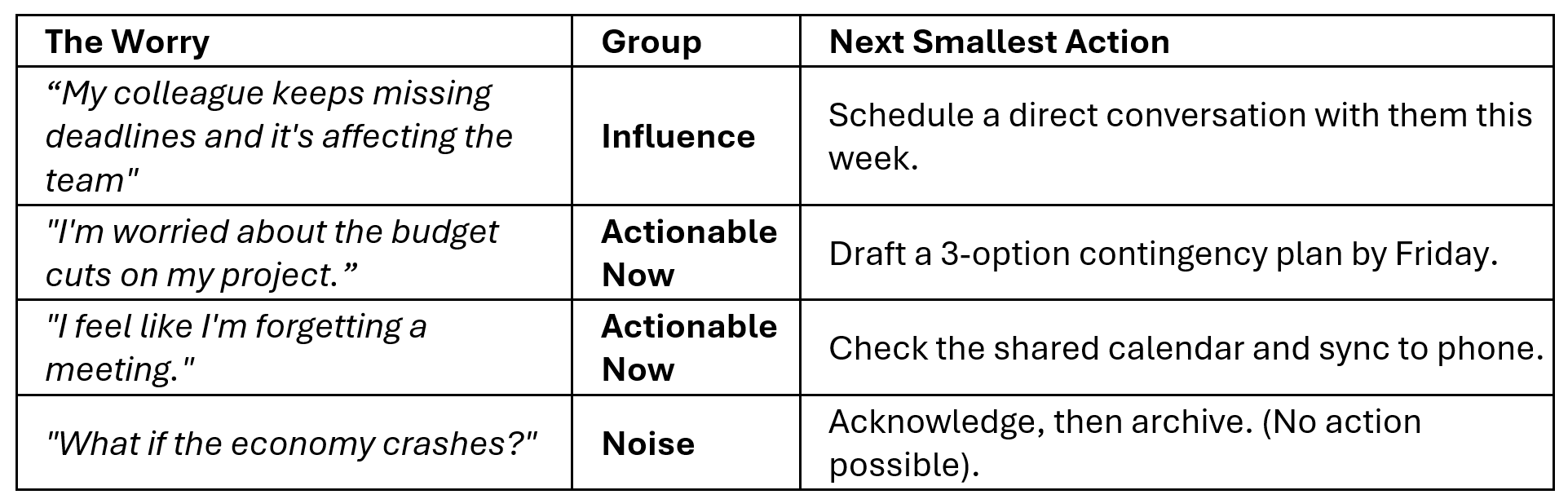
Don’t just look at the mess -sort it. Grab three highlighters (or use the highlight tool on your screen) and assign every item to one of these three buckets:
Actionable Now (Green): Things you can act on in the next 24 hours. No excuses—just tasks you can do today or tomorrow (e.g., “Email the client”).
Influence (Yellow): Things you can’t fix alone but can nudge. This requires a conversation with a colleague, a friend, or an expert. (e.g., Improving team morale when a manager is difficult to approach).
The Noise (Red): Things you cannot change. This includes the past, yesterday’s mistakes, or other people’s opinions. (e.g., The dog eating your clothes while you were out).
Examples:
Step 3: Clear the Green (The 48-Hour Rule)
The “Actionable Now” items are the easiest to solve, yet they often cause the most background noise.
The 48-Hour Rule: If it’s Green, give it a specific time slot in your calendar within the next two days. If you don’t schedule it, it stays in your head.
The “Parking Lot”: If it truly isn’t urgent and can wait longer than two weeks, move it out of your daily view. Put a reminder in your calendar for a future date and delete it from your current list.
The outcome: reduces the number of active “tabs” open in your brain. If it’s scheduled or “parked,” your brain can stop processing it.
Step 4: Delegate and Release
For the items left on your list – the Yellow and the Red – you only need one simple decision each.
For your Yellow items (things you can influence but not fix alone): identify the one person you need to involve and write their name next to the item. That’s your action. You’re not solving it tonight – you’re simply deciding who carries it forward with you. One name. Done.
For your red items – choose a small ritual of release. Red items are RAM-drainers – things you cannot change, control, or solve tonight. But simply crossing them out rarely works. Your brain needs a small, deliberate act to believe it has actually let go.
Choose a ritual that suits you:
Tear it up. Transfer all your red items onto a separate page. Then tear that page – slowly and deliberately – into small pieces. The physical act of destruction signals to your brain that processing time on these is officially closed.
Box it. Not ready to destroy them? Fold the page and place it in a dedicated box – a shoebox, a tin, anything with a lid. This isn’t surrender; it’s containment. Tell yourself: if this still matters in two weeks, it will still be in the box. Most of the time, when you check, it won’t.
Either way, once the red items are off your main list and out of your hands – torn up or lidded away – your brain has its permission to stop processing them tonight.
Close the list. You’re done for tonight.
Tonight, you don’t need to solve everything. You just need to stop carrying it all at once. A pen, a page, and twenty minutes is enough to move from spinning to settled – and to wake up tomorrow with a clearer head and a shorter list. Your brain will thank you for it.
Feeling overwhelmed by your to-do list? It’s time for a fresh approach. Whether you’re figuring out what new tasks to start, which processes to stop, or where to make improvements—including sustainability initiatives—this simple method will help you cut waste and boost efficiency. Think of it as a game-changer for your workflow, empowering your team to work smarter, not harder, while making real progress. Change doesn’t have to be overwhelming; it’s about making strategic, impactful adjustments that lead to better results, smoother workflows, and more sustainable outcomes.
A Fresh Approach to Tackling Chaos
Ever feel like your to-do list is out of control? This simple method helps bring clarity, meaning, and direction to your tasks. Whether you’re deciding what new actions to take, which processes need tweaking, or which habits to drop, this approach will streamline your workflow, boost productivity, and make your routine more manageable.
Even the best processes lose their effectiveness over time or fail to take advantage of the improved availability of better tools and templates, signaling the need to reassess. While big changes can be costly, small adjustments often get things back on track. The method I’ll share is perfect for team brainstorming, making it easier to identify areas for improvement together.
Think of it like tidying up a familiar room. Some things need to go, while others just need a small fix. This tool helps you do the same with your work, identifying what needs to change, what new actions to start, and what habits to stop.
Importantly, it’s also about working smarter with sustainability in mind. Rethinking processes to reduce waste, conserve resources, and adopt eco-friendly practices not only improves efficiency but also builds a more sustainable work environment for the future.
What to Start
Think of yourself as a gardener, planning to refresh and revive your garden. To improve a process or outcome at work or in a volunteer setting, you need to plant new “seeds”—ideas and actions that hold the potential to bring positive change. These are the things you want to start doing to make a meaningful impact.
Ask yourself: What new tools, strategies, or approaches could help streamline work, solve problems, or improve how people experience your organization or team? It might be a fresh approach to a recurring issue or an idea that could make things more efficient. Like planting new flowers in a garden, these initiatives will need your time and attention to grow and flourish.
By starting these key actions, you create opportunities for improvement and success and build an environment that thrives on new ideas and growth.
What to stop
When we talk about what needs to stop in the workplace, we’re focusing on behaviors and habits that hold everyone back. Think of gossip—it’s like a poison that erodes trust and divides teams. Then there’s micromanagement, which stifles creativity and leaves people feeling frustrated and demotivated. And multitasking? While it might seem productive, it often leads to mistakes and burnout. By eliminating these negative behaviors, we can create a more positive, collaborative, and efficient work environment.
Stopping isn’t just about behaviors, though; it’s also about simplifying how we work. This means cutting out unnecessary steps, avoiding redundant processes, and leveraging technology to make tasks easier and faster. It’s about working smarter, not harder.
The key to success is getting everyone involved. When the team collaborates and shares insights, it becomes easier to identify which tasks or processes don’t add value—and figure out the best ways to eliminate them. This not only streamlines workflow but also helps the entire team feel more aligned, motivated, and connected.
What to change
When identifying what needs to be changed, it’s about finding those processes or tasks that work to some extent but aren’t quite hitting the mark. These are not things you want to stop completely, but they could benefit from refinement or improvement. The goal is to enhance their efficiency or effectiveness rather than overhaul them entirely.
This step is about finding out with your team where bottlenecks occur, where confusion arises, or where inefficiencies creep in. Perhaps you uncover small tweaks that make a big difference. For example, a task might be taking longer than necessary because of an outdated step, or perhaps communication between teams could be improved to streamline a handoff.
Other possible candidates for change may lie in opportunities to improve: Are there tasks that could be automated? Is there a process that could be shortened or simplified without sacrificing quality? Sometimes it’s as simple as adjusting timelines or reallocating resources to better fit the demands of a project.
The key is not to throw out processes that have potential but to fine-tune them. By making small, thoughtful adjustments, you can improve the overall flow and outcomes. Involving the entire team in identifying these areas for change ensures that the solutions are practical, realistic, and beneficial for everyone.
Setting up time with the team
To kick off improvements, start by gathering input from everyone involved in the workflow. Set up a dedicated meeting where each person can share their unique insights. By involving the whole team, you’ll gain a diverse range of perspectives, helping you identify opportunities for improvement far more effectively than if you were working alone.
To make the session productive, team up with coworkers and dedicate about an hour to look for ways to enhance how you work, the environment you work in, or how your organization delivers value—whether it’s to customers, clients, or those benefiting from your volunteer efforts.
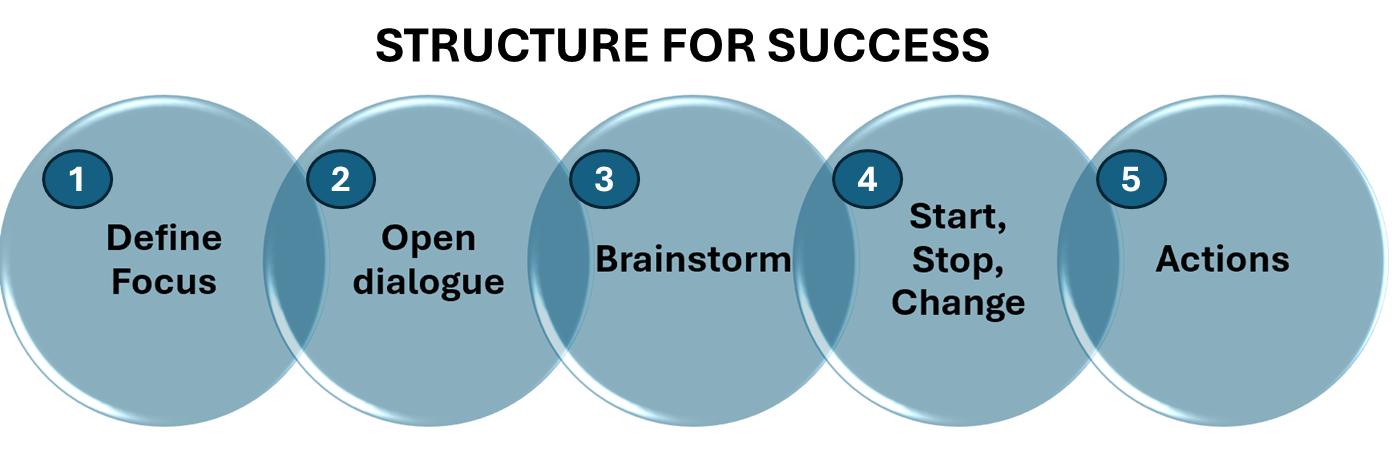
Here’s how to structure your session for success:
Define the Focus: Clearly outline what the session is about. Are you looking to improve a specific process, boost safety, streamline workflows, or enhance customer/recipient satisfaction? Make sure everyone understands the goal before diving into discussions.
Encourage Open Dialogue: Create a safe space for everyone to share their ideas, frustrations, and suggestions. Emphasize that all feedback is valuable and will contribute to positive change.
Brainstorm Together: Work as a group to explore ways to make things better, smarter, and safer. This could involve improving the way tasks are done, optimizing the workspace, or enhancing the delivery of value to customers or the community.
Capture Ideas: Use Stop, Start, and Change flipchart pages to organize ideas. After brainstorming, categorize the suggestions:
Stop: What isn’t working and needs to stop?
Start: What new actions, processes, or tools should be introduced?
Change: What existing processes could be improved with a few adjustments?
5. Assign Actions: Once ideas are gathered, assign ownership for each action. Ensure there’s follow-up so the insights gained from the session translate into real improvements. Also, set up a follow-up recurring meeting to review how things are going to discuss if you need to change or improve how you are implementing actions to be more successful and avoid obstacles to success.
By following this structure, you’ll ensure that your team collaborates effectively and walks away with actionable steps to make meaningful changes.
Keep Stakeholders in the Loop
After the meeting, it’s important to keep key stakeholders, such as your supervisor or others involved in the implementation, informed about the progress. Provide them with an update on the discussions, including the proposal for items to start, stop, or change. This transparency ensures they are aware of the team’s efforts and can offer support as needed. Additionally, ask for their feedback and suggestions. This will help ensure that no key opportunities for improvement are missed and that the plan is as comprehensive as possible. Engaging others in this way enhances collaboration and strengthens the overall success of the initiative.
Now It’s Your Turn to Change the Game
Taking a structured approach to what you start, stop, and change can really improve how your team works and help you reach your sustainability goals. I encourage you to take a fresh look at your team, your environment, and how you get things done. Find ways to not only make customers happier and save money, but also to reduce waste, save resources, and lessen your impact on the planet. Involving your team in this process will help everyone work smarter and feel more motivated as they see their ideas making a difference. Whether you’re working or volunteering, these changes can lead to a more rewarding and sustainable experience. Now is the time to act—start looking for where you can make a real difference for your team and the environment.
In today’s world, unexpected things happen. That’s why it’s important to be prepared. This free template download below will help you identify potential problems and figure out how to fix them. You can keep your organization safe and strong by staying ahead of risks.
Remember, this isn’t a one-time thing. You need to keep reviewing and updating this checklist to make sure it’s always relevant. With a little effort, you can create a stronger organization that is able to withstand life’s little surprises.
Here are two examples of big problems that can hurt an organization:
Hackers stealing information: Bad guys can steal important stuff like customer data or company secrets. This can ruin your reputation and cost you a lot of money.
Mother Nature strikes back: Hurricanes, floods, or earthquakes can damage your business and disrupt operations.
You will notice that the template comes prepopulated with some headings for your identified risks – feel free to add more if your organization has important categories that are not listed there and feel free to remove the ones that do not apply to your organization. Every organization could have categories of risks that are unique to the industry or the services or goods provided.
In today’s uncertain world, risks are everywhere. From financial losses to reputational damage, the potential consequences can be severe. That’s where a risk assessment comes in. By identifying potential threats and understanding their impact, you can take proactive steps to protect your organization.
So, what exactly is a risk assessment? It’s like a crystal ball, helping you see potential problems before they happen. Think of it as a map that guides you through the dangers ahead. By understanding the risks you face, you can develop strategies to avoid or reduce them.
But how do you do it? It’s actually simpler than you might think. Let’s break it down into two key steps:
Identify the risks: Think about all the things that could go wrong. Financial losses? Safety issues? Reputation damage? Write them down.
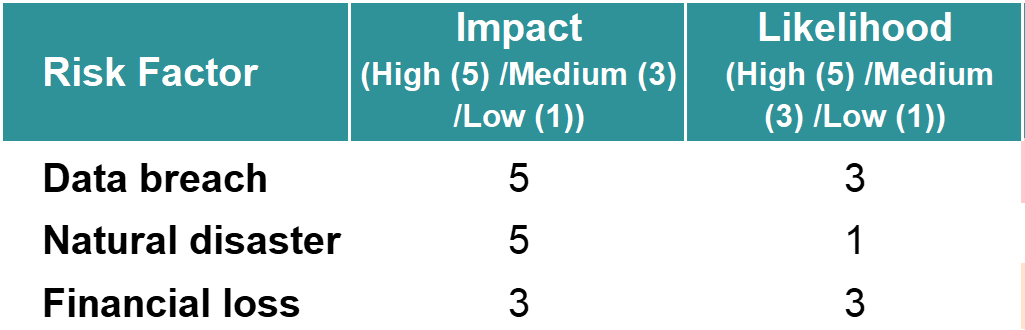
Assess the impact and probability: For each risk, figure out how bad it would be if it happened (the impact) and how likely it is to happen (the probability).
By combining these two factors, you can rank the risks that pose the biggest threat to your organization. Then, you can create a plan to tackle them.
Have a strategy for risk management
A strong risk management plan is like a safety net for your business. By spotting potential problems and having a plan to deal with them, you can protect your money, keep your good name, and build a stronger, more stable company.
Find potential threats: By understanding the risks you face, you can take proactive steps to prevent or mitigate them.
Protect your assets: Effective risk management helps safeguard your organization’s financial resources, reputation, and operations.
Make informed decisions: Risk strategies give valuable insights that can inform smart decisions and resource allocation.
Guarantee long-term sustainability: You can build a more resilient and sustainable organization by managing risks effectively.
What is risk?
A risk is simply a potential problem or danger. It’s something that might happen in the future that could cause harm or loss to your organization. Think of it as a threat that you need to be prepared for.
A risk assessment is a proactive tool that helps you discover potential threats to your organization and develop strategies to mitigate their impact. By understanding the risks you face, you can take steps to avoid or manage them effectively, protecting your assets and ensuring long-term success.
Unpacking the two ratings
What is the meaning of risk impact?
Impact refers to the potential consequences or severity of a risk event. It measures the harm or damage that could result if the risk occurs. For example, a high-impact risk might involve significant financial loss, reputational damage, or operational disruption.
How to look at probability or likelihood
Probability refers to the probability of a risk event occurring. It measures the chances that the risk will materialize. For example, a high-probability risk is more likely to happen than a low-probability risk.
By considering both the impact and probability of a risk, you can focus your efforts on mitigating the most significant threats to your organization.
Assessing Risks: A Step-by-Step Guide
Identify Potential Risks:
Brainstorm a list of potential risks that could affect your organization. Consider risks that could impact your financial situation, the way you are able to run your organizational processes, your reputational, and risks that relate to legal issues – think about compliance and adhering to legal requirements and regulations.
2. Evaluate Impact:
Assess the potential impact of each risk on a scale of 1-5 where you use either a 1 a 3 or a 5 to rate the impact of every risk you noted in case they happened:
1: Low impact (minor financial loss or inconvenience)
3: Medium impact (noticeable financial loss or disruption)
5: High impact (significant financial loss, reputational damage, or operational disruption)
3. Assess Probability:
Estimate the probability of each risk occurring on a scale of 1-5. Use a number 1, 3, or 5 to rate the probability or likelihood that the risks you have would happen:
1: Very low probability
3: Medium Probability
5: High Probability
4. Calculate Overall Risk:
The download template below will multiply the impact rating by the probability rating to determine the overall risk level.
Rank risks based on the calculated overall risk score. The higher the score, the more important it is to have a plan to avoid it, lower its impact (mitigation), or manage it if there is no way you can avoid it.
This is where you spot potential problems and make a plan to deal with them. It could be to protect your money, keep your good name, and build a stronger, more stable organization.
Here are some types of strategies that might be needed:
Risk Avoidance: Remove or avoid the risk completely by putting some form of protection in place to ensure it can’t easily happen.
Risk Reduction: Instead of just letting problems happen, take steps to make them less likely or less harmful. Or you could say it is about implementing measures to reduce the likelihood or impact of the risk.
Risk Transfer: Instead of taking on the risk yourself, pass it on to someone else, like an insurance company.
Risk Acceptance: Sometimes, risks are unavoidable. Instead of trying to stop them completely, be prepared for them. Have a backup plan in case things go wrong.
Taking Action: Protecting Your Organization
Once you’ve identified and assessed your risks, it’s time to act. Focus on the risks with the highest scores and implement your mitigation strategies. Remember, a risk assessment isn’t a one-time thing. Review it regularly to make sure it’s still relevant and up to date.
Share your risk assessment with key leaders in your organization. Their insights can help you refine your strategies and check to be sure they align with your overall business goals. By actively managing risks, you’re taking a proactive step toward protecting your organization and securing its long-term success.
One of the key reasons that companies lose new hires with some experience is that they fail to support these new hires adequately during their first few months. In some companies, it can be quite hard to understand how things work there, how to fit in and be successful, feel valued and included. Having a written onboarding plan from the start is a great way to bring more clarity to the person and also help them understand expectations during the crucial early months in their new roles in the new company.
The onboarding plan can be written as early as during the recruitment process. In one best-case scenario, it was shared with a senior executive right after his interview with the CEO. It was such an unexpected and appreciated action that the executive commented how refreshing he found the transparency and it made him see the hiring company as head-and-shoulders above the competition which led to him accepting the offer and joining the company a few months later.
The Process
While the plan can help clarify the set-up and structure for a new hire, it is important to set up review meetings with the newly hired managers or key hires. In some cases, reviews with an HRBP could be useful to understand for example how performance management is organized and how the process works. Such review moments could also clarify talent development programs and processes, which is useful to know for the new hire regarding his/her own career but also for helping the new hire manage the development actions for those who report to him/her.
Review meetings with the manager that the new hire reports to could help identify priorities and understand where to connect with more people or build additional internal or external relationships. The manager can also answer questions about activities planned to ensure desired outcomes are achieved after 30-days, 60-days, and 90-days as captured in the onboarding plan.
The people side of success
The template captures not only the tasks and activities needed to succeed in a new role but also identifies people with whom to build relationships. These are important relationships and contacts that the new hire would need to establish and maintain to ensure his/her success in the long run. They could be key client contact personnel or contacts from key suppliers or subcontractors. They could also be internal – people who know how things work and who can advise on the best course of action to get something done at that company.
And it is also important to identify people who can be trusted to keep things to themselves and who could advise on who to talk to before moving in specific directions for changes the new hire would like to implement. Either the HR Director/HRBP or the new hire’s manager may be helpful to identify who those contacts may be.
Note that confidants or advisors may also be external people such as professional coaches or consultants.
Accountability
While it is important from a company’s perspective to ensure key new hires are provided with onboarding plans, completing the details and setting priorities to accomplish the outcomes defined in the plan lie with the new hire. The success of the new hire is only partially dependent on helping him/her get up to speed faster by having review meetings and an onboarding plan and giving him or her access to professional helpers and advisors. The new hire remains accountable for his or her own performance and following through on the items recorded in the onboarding plan.
When both the process of onboarding works well and the new hire holds himself/herself accountable for the outcomes produced, the risks of failure due to onboarding gaps are lowered and retention success is more likely in the medium to long term!
Useful posts for new employee/ new manager onboarding and orientations :
Staged Promotions – Accelerate role-readiness using focused development with check-ins
Leaders are not always ready the moment you need them to step into a new role. An inexperienced leader can increase risks in continued customer satisfaction, operational / execution risks, and employee satisfaction and retention. Using a a staged promotion could be a way to mitigate risks, while ensuring that leadership development is accelerated and monitored with defined targets on knowledge gained and skills and competencies gained during each period within a specified timeline.
Process and Timeline
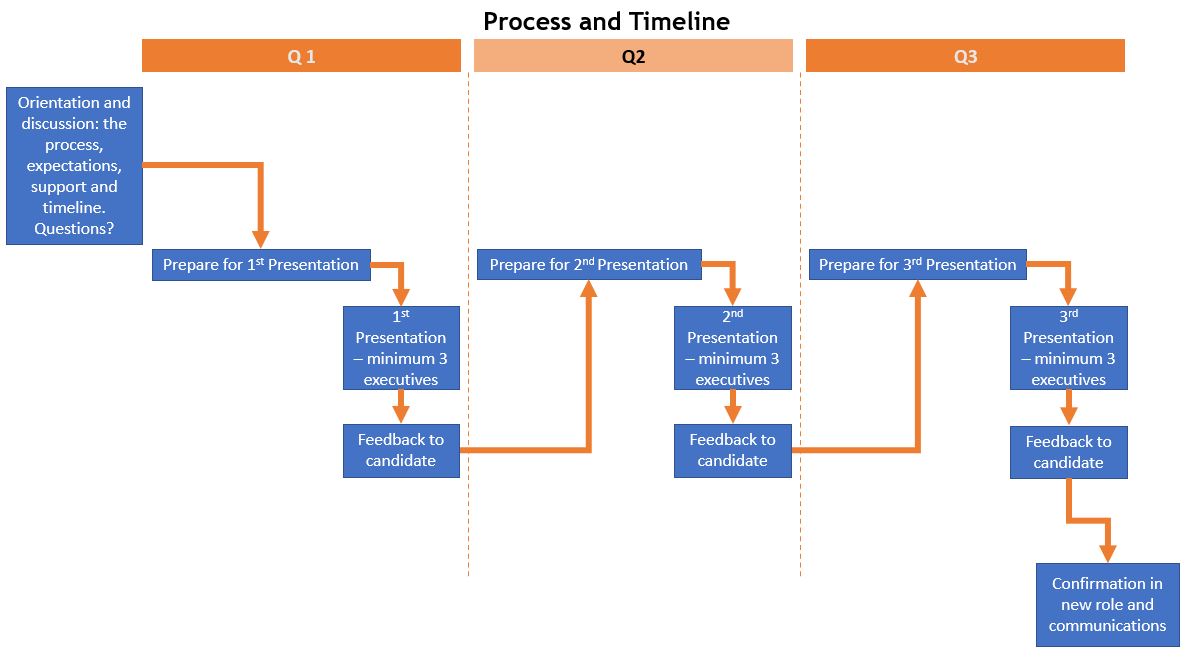
The graphic below outlines the process and shows an example of running the process over a 9-month period. The duration of such a process can vary but watch out for making the period too long – longer than 12 months. It can lead to process fatigue and demotivation of the leader. It is important that the process starts with an orientation to ensure the leader understands how the process will work and what is on the other side of the development period. The leader should be clear on what he/she is signing up for.
Defined learning path
During the development period, there needs to be a few concrete check-in points whereby the leader is demonstrating knowledge, skills and insights gathered and learned over the period. Instead of making the check-in points being general discussions, it is useful to select a few key focus areas for a presentation to be delivered at the end of each of the development periods.
Each check-in event needs to result in specific feedback being captured and shared with the developing leader. The feedback helps him/her to further focus and improve on their learning approach for the remaining learning periods.
The final check-in is usually the final decision-point where the executives present are willing to confirm the promotion of the leader – ending the interim nature of the assignment.
The example below shows how a project or facility leader can be assigned specific areas to learn about over the 9-month period. Each of the areas are important for the normal day-to-day activities of the developing leader and the focus simply means nothing is missed in helping the leader perform well in the role in future. It helps to include the strategic and the “why” part of a role since a new role is often mostly or mainly about the “what” to get done.
Notes
The orientation step which helps the leader understand the design of the development path, the role he or she has and also how to ensure his/her own success making use of available internal and external development resources. Before the orientation session, a leader has typically already understood from his/her manager that they are offered the development opportunity on an interim basis and the leader has agreed to proceed. The leader also needs to know what happens if he/she does not succeed at the end? Will they get a different assignment and what might that be?
Preparing the executives before the check-in events (when check-in events are set up to be a presentation followed by questions and answers). Executives need to understand the design of the development path, the purpose of the focus areas, the development needs of the leader and how they are to capture their feedback to be presented back to the leader after the event.
Feedback to the leader should be specific and be a balance of activities that are good to maintain, which ones to develop further and which ones to start or stop going forward. Specific examples of desirable behaviors or results should be highlighted. A discussion on risk identification and management may also be useful to help the developing leader understand how to adjust own focus to best mitigate and manage risks associated with own development as a leader as well as risks associated with the role..
This process is very useful to help a leader understand what the new role would include when they are meeting all expectations of stakeholders. A leader who feels uncomfortable meeting all those expectations will typically ask to be taken off the development path before the end having realize it is not for him or her. And this allows for re-assignment and solving the leadership vacancy in a different way.
Listening to a presentation by the leader on the assigned topics goes a long way towards providing executives with a sense of comfort (or alarm!) in terms of what can be expected from this leader in this role going forward. While these check-in points should not be the only determinant of how the leader is performing in the new role or estimating future behavior, it is a great way to understand the reasoning a leader applies in making business determinations and decisions and how the leader approach problem-solving when faced with adverse situations.
We all had times when we were misunderstood or simply did not feel we truly understood what someone else was trying to say. When you have communicators from different national backgrounds, the chances of misunderstandings increase. If you also throw in the fact that only a handful of people in the room have English as a first language, the chances of misunderstandings are magnified even further.
Here are the top 10 reasons why messages may be understood by your intended audience:
What can you do about it?
Wisdom is realizing there is only so much you can impact or control, other factors you may be able to influence, but not change or control. Focus on what you are able to do.
Culturalimpact: Whereas you may not be able to impact where someone grew up, you can learn more about the cultures of others on your team to correctly anticipate any possible impediments to your messages being understood or interpreted correctly.
Not my Language: Knowing how many of your team members do not have English as a first language can help you prepare your messages using simple sentence structures and more common words to avoid confusion.
Distractions (obvious): Ensure that there are no distractions to people being able to pay attention to and maximize their ability to understand you correctly during meetings. In remote settings, having participants on mute where ambient noise causes a distraction on the video call. You can also ask everyone to turn on their cameras to improve engagement during a remote call.
Fake news – Sourcereliability: Ensure that any data you plan to use is sourced from reliable sources – reputable research companies or institutions. Making the resource material or reports available to team members may further positively impact your ability to avoid your message not being accepted due to doubts about the source of key facts presented during your meeting.
What they know: Ensuring that intended meeting participants have enough pre-reading to help them fully engage with the topics you wish to discuss may avoid spending time filling in knowledge gaps that some may have on the topic. Where your topic may be controversial, do not shy away from mentioning opposing views and why you do not support those perspectives.
What theyprefer: If you have a high number of team members who prefer to have material available earlier to study it and form their opinions, consider sending key reports out before the meeting. This will improve chances of having an engaging discussion about the topics you plan to cover in your meeting. Some intended meeting participants may focus more on the financial data, or operational data etc. Be sure to have relevant information available to address predictable questions in these areas.
Judgement before you said a word: If there is something unusual about your appearance of name, consider mentioning it up front or tell a story about it to neutralize the observation and get their attention. Make sure you dress for the occasion to avoid interfering with your own messages.
The last four categories are not easy to impact since they are closely linked to everyone’s psychological make-up or habits. Based on past experiences, personal beliefs and values, people will naturally be drawn towards or away from agreeing with your perspective on a range of topics. Knowing your team or those who would attend your presentations, might help you avoid the pitfalls. Other than that, you may need to use pre-engagement and post-engagement activities to give your messages a higher chance of being correctly interpreted and understood.
The Checklist
Click below to download an excel checklist to help you do a quick check – where can you be more effective when you communicate? Perhaps the checklist shows areas impacting your communication with a key team member. Talking about specific areas impacting your communication success, you may be able to improve your ability to correctly interpret and understand each other’s messages.
Employees and Company Boards want the same thing – they want clarity around what you expect from employees, want feedback on how it is going from an outcomes perspective and want to know the steps you will take to fix it, in case outcomes are less than expected.
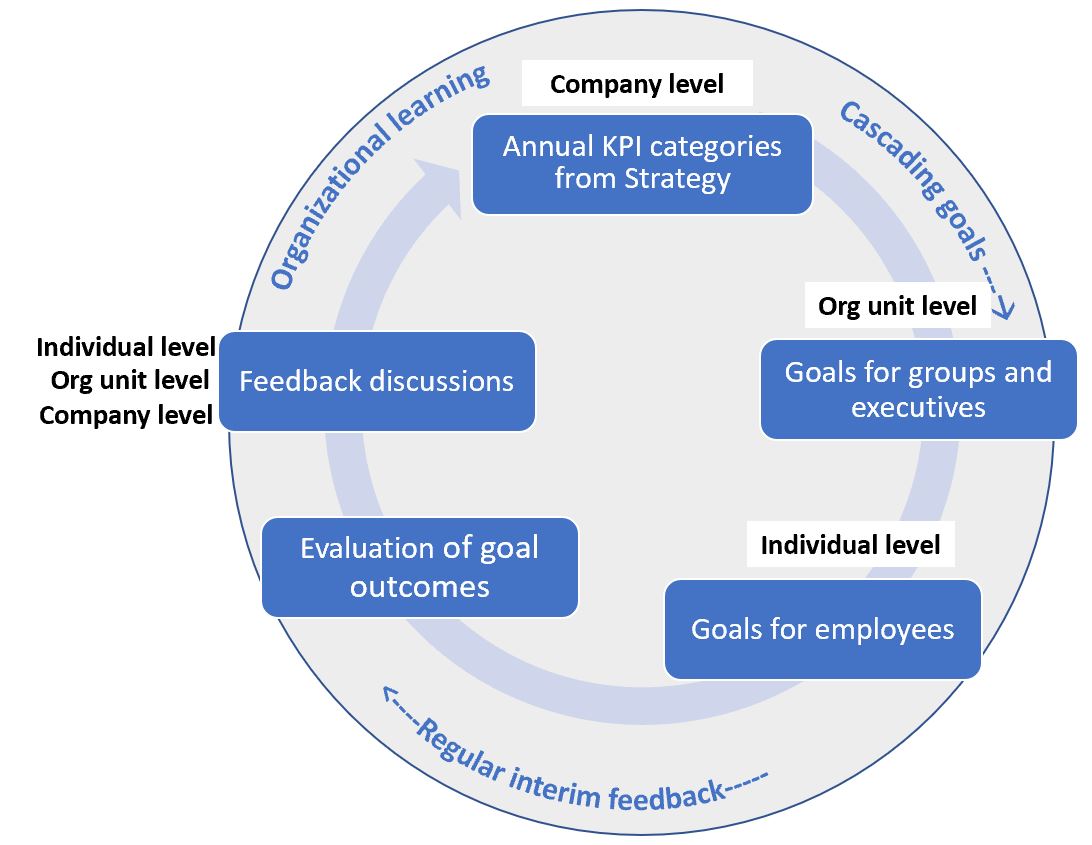
Most companies use a Balanced Scorecard approach whereby specific performance metrics in key performance or result areas from company strategies are used to set and monitor performance expectations into the company from the most senior roles to the most junior roles.
The benefits of this approach are numerous… for one you can get a good understanding of how well things are going with implementing your strategies in the company, you can make sure that all the initiatives being worked on relate to the strategy, identify organizational units or individual where things are going well or not so well – which mean you can provide support in the form of training for example. A balanced scorecard also helps to ensure you have organizational alignment where it is clear to every employee how he/she impacts the overall results of the company. And when an employee sees his or her own goals, it is easy for him/her to understand what exactly the company strategy and desired outcomes are about in a practical way.
Strategic Performance Areas
Having a cheat-sheet to get started may be useful…Performance Indicators can be set in many different areas. This list shows a few examples which may be handy as you read your own strategy and select the top performance areas that need to be impacted in your upcoming performance period.
In most cases 5 key performance areas would be chosen to balance current operations, growth goals, keeping current stakeholders satisfied and continuing to improve and innovate. e.g: 1) Financial outcome(s), 2) Quality outcome(s), 3) Customer satisfaction outcome(s), 4) Improving upon performance and efficiencies of previous years, and 5) Employee (leaders/specialists?) development and or retention outcomes.
Example
Let’s look at some specific KPIs and how they may translate into performance expectations into the organization. From high organizational levels deeper into the organization the goals become more specific to an individuals’ tasks and activities. In contrast, the goals of managers are typically focused on their ability to influence and lead the outcomes of teams or groups reporting into him or her. Managers ensure that things happen while in most cases the deeper you go into the organization, the more you see performance goals are based on the individual’s efforts to achieve an outcome.
Performance goals typically come in various types of outcomes based on how your KPI would require the right response to meet the company strategy.
Setting Expectations
.
Cascading goals
Starting with the company’s strategy (at the highest level) the CEO or executive team can easily identify the top 4 to 7 Performance Areas where focus is needed to drive outcomes needed in the coming year. From there the heads of functions or organizational units can identify what that means for each of their organizations. Then performance goals for each organizational unit manager can be determined . And the same process cascades down until performance goals have been set for everyone at the company. All of the goals finally relate to a big-picture framework of KPIs at the top level of the organization.
Most performance expectations are set as SMART goals and each employee would typically end up with between 3 and 7 (max) performance goals for the year.
The graphic below shows how at individual level the goal may be a specific part of the overall KPI but when it is all “rolled-up” organizationally the full organizational KPI can be achieved in full by all employees contributing to the desired outcome. Not every organization group or unit might support every high-level KPI. Think for example of an organizational unit responsible for the upkeep of facilities, there may not be direct goals that relate to revenue growth for that group.
Note Goal E: It does not relegate to a KPI at the broader organizational level. This happens often – for example that a functional organization has a specific focus which may not directly relate to the KPIs that were set on a company-wide basis. That could be something like finalize implementation of a digital tool which enables better efficiency the following year. If there are no high-level KPIs related to improving on existing performance/efficiency, Goal E would not have a direct link to the overall high-level KPIs set. For this reason, it is important to set the high-level KPIs in a broad and balanced way to ensure that most goals that would be important at a level deeper into the organization to maintain or improve a specific level of efficiency or service delivery can be matched with the high-level need for renewal or continuous improvement. Some companies do not think broader than revenue or growth goals.
Interim feedback
It is important for managers to monitor outcomes along the way – do not wait until the end of the year to discover that outcomes were not trending in the right direction. Spotting issues or delays early means you can rectify or influence rectification of the situation. Give employees feedback throughout the year – make them aware of outcomes that deviate from desired outcomes, train and coach them to improve outcomes that they are responsible for and give them on-the-job coaching and support when they are inexperienced in specific areas. Every outcome matters and contributes to the overall outcome.
Learning
Evaluating outcomes and discussing those with employees is the next step. This step also includes looking at relative performance outcomes among various organizational units and overall outcomes. This can lead to an improved understanding of where further improvements may be needed. Improvements can range from awareness training, making more information available, helping to upskill or cross-skill employees in various areas. It may also lead to understand misalignment with what suppliers can or are delivering or misalignment between customer expectations and what operations is able to deliver right now.
Use what you learn from discussing performance outcomes to influence future performance outcomes and support that might be needed for the next year.
In the final outcome of the performance period you will have individual scores that relate to individual performance. When you look one level higher you see the contributions of various employees in the same organizational unit and how each of them did on their own performance goals. If the goals were created to be an exact match – between goals set for the manager and those set for those reporting to the manager – the aggregate outcome of the team would determine the manager’s score.
Looking at the organization, it is easy to pinpoint where contributions by individuals, teams, managers may not have reached expected results in the outcomes. Understanding why this occurred would help learning from the past and improving going forward. Answering questions like:
Knowing what we know now, were these realistic expectations or do we need to first solve some key issues before we can make more progress in this area?
Do people need more training to make sure they are able to perform in new areas or with new outcomes (such as new markets or types of customers)?
Is this area so specialized that we need to hire some people with the specialized knowledge or experience that this team needs?
Most companies are on a learning path when it comes to their own performance management process and approach. If you are just starting, do expect it to be a journey and make sure you allow space for reviewing, reflecting and learning as you go. It may lead you to make adjustments to your strategy or the way the organization is structured, to name but a few ways that on-going organizational learning can benefit the greater organization.
Ultimately the goal of your performance management approach is to measure how much the efforts of those in the organization are helping you achieve your goals as a company, where are hidden barriers to succeeding with your organizational strategies and where are opportunities to accelerate results if you leverage great ideas and tools developed in any part of the organization. This makes your company sustainable into the future. Viable today and into the future by continuously evolving, learning and innovating without losing focus of the basic outcomes needed to drive profitability on an on-going basis.
Maybe the truth is that nobody is helping new employees focus their efforts in order to produce better reports or emails. And by better, I mean some of the items that are in this checklist (below). Perhaps, instead, it is the excitement and eagerness to hit the send button too soon.
Let’s walk through 5 things you can do to ensure that your email or your report or slide deck does not suffer from a few preventable ailments and risk being deemed as “not ready yet” for further distribution. Delivering work that is incomplete or incorrect will not lead to being considered for more responsibilities any time soon. Want to move up? Focus on the quality of your work first.
All names spelled correctly
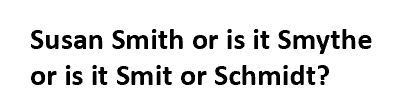
Most people find it annoying to read minutes of meetings or a report which names them but misspells their first or last names. This is completely avoidable these days. With the internet and most people having Linkedin accounts, or in the same company you can look people up on the email system. There is no reason why we should be misspelling people’s names these days. When you do not take the time to double-check, it comes across as callous, lazy, or just not committed to producing quality work.
All dates are correct
Not all countries use the same format for dates. This would be the first point to consider – who will read your email/report? Check (online if needed): how do they write dates in that country? If you have a distribution list including people from multiple countries, consider writing the date out more: 3 Mar 2019 (for example)
The second point is more often a bugbear of mine – dates in the same document contradicting one another. For example: on page 2 of the slide deck it states that the project is completed on 2 Dec of that year, on page 5 it states that the project will run well into the new year and completion is projected to be the end of March of the next year. Which one is correct? If they are both correct – explain the term completion used on slides 2 and 5. Always check the latest version of your reference material or project schedule before you finalize your section on dates. It reflects badly on the creator of a document or slide deck where dates are misaligned and confusing. Check first!
Spelling or grammar errors
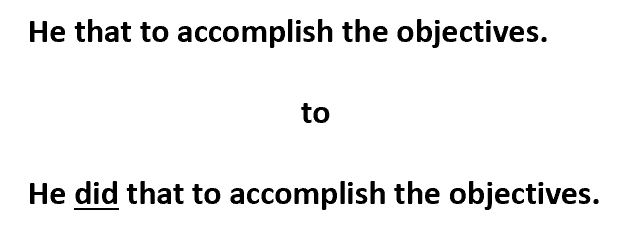
It is very avoidable these days to produce and send documents or slides to others without spelling errors. Use the built-in spell-check in Microsoft suite or a similar feature in other packages used. Some packages will also pick up grammar errors and flag it for you – if you have that feature turned on! Sometimes a missing word is not picked up by built-in checks. Read your own text back to yourself – aloud. Say each word. And make sure the words are not correctly spelled but actually the wrong word for the context. Examples would include: they’re/their/there or hear/here/hair
Use sane fonts
Some companies have branded templates to use for creating reports or slides. If your company does not have rules around branding which include the font colors, types, and sizes to use in company documents and slides, I would go with common sense. This would include – not using all the colors of the rainbow and multiple types of font in a project progress report and not varying the size of the font in every bullet-point you use. [Of course, if you are in the creative world and these variations are a design part of your project (as would be normal in advertising or other creative endeavors) this message is not for you].
Make it easier
Is there a clear structure to your work? Think about the message you want to communicate. What are the main points, what are the next level of detailed points to support each of the main points? Structuring your reports or emails greatly enhances the readers’ abilities to quickly understand what it is about, what the options are, and what you are proposing.
Use headings for distinct paragraphs and consider a bulleted list to align points that are grouped together under a heading. If the sequence or number of points are relevant, why not use a numbered list instead?
Speed in sending out reports is often not the biggest priority. Sending out something fast while the items listed above are incorrect or incoherent can truly harm your reputation. You would not come across as someone who has self-discipline, pride in the quality of your work, or who is seen as thorough – someone your boss can trust to give more responsibilities to! Pause, check, then hit send!
If you shine a light on any team you will notice some areas where processes, communication or collaboration can be better. In many cases a team can function well enough even with a few improvement opportunities. Want to do a snapshot checkup on your team? The downloadable tool below can help you identify any specific areas to focus on if you feel your team performance can use a nudge in the right direction.
When teams fail it is usually recognized as a combination of the team not reaching desired outcomes, team members feeling a high level of dissatisfaction and frustration with team processes and other team members and team leaders failing to accomplish their own goals for the team and for their own career growth.
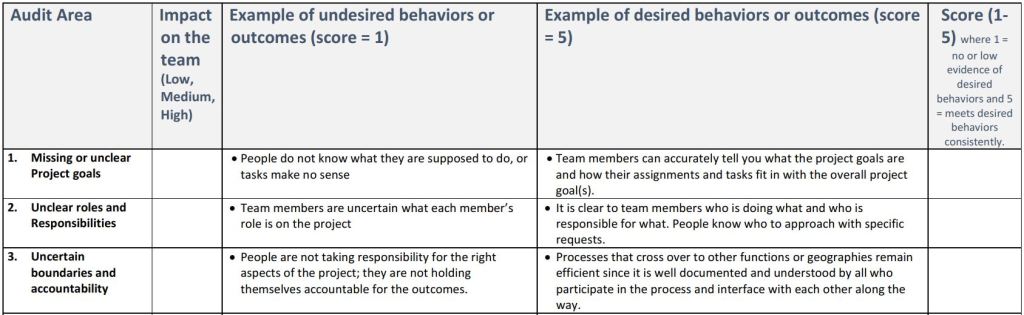
The 7 aspects of teams shown below are classic areas where low performance could lead to team failures.
7 troubles with teams
Taking a closer look
Step 1
The first column to complete is the scoring column. The question would be – how do I know that my team may be experiencing this trouble? The audit list gives you a possible symptom of observable behavior on either side of the scale: desirable (give this a score of 5 if your team shows this behavior) and undesirable (give this a score of 1 if your team shows this behavior). Should your team display behavior that is somewhere between those two opposites select a score between 1 and 5 that you feel is most accurate to describe how far they may be from either end. Perhaps a score of 3 would be appropriate if you see desirable behavior only 50% of the time.
Step 2
Look at the column called impact. When you look at the behaviors defined as undesired and also the other column containing desired behaviors, how much does it impact the outcomes produced by your team when those behaviors are present or not present? Maybe the impact is “high” if you consider how many hours are wasted when that behavior is present? Maybe it is only “medium” which means some time or effort is wasted, but not too much. And it could also be a “low” impact if that particular behavior does not contribute highly to the inefficiencies you experience as a team experiencing a particular aspect from the audit list.
Step 3
Evaluate your results by looking at both the scores column and the impact column. The graphic below shows the way to identify which of the aspects to focus on when it comes to prioritizing an area to address:
The download file above has suggestions for each of the 7 areas that can be addressed.
Remember…
Every team has good times and bad times. Just because your team just did very well, it does not mean it will necessarily continue to go well. And just because your team failed last week, it does not mean there is no way to make it a high-performing team!
Use the tool above to take a closer look at your team and I wish you success in mapping out your next steps; helping your team be even better than it was before!






















 The Rethink Shelf